
Using cheap consumer electronics and 3D printed parts to create high-quality scientific and medical devices at a fraction of the cost of alternatives is the aim of a new 拢1M research project at the 性视界.
Dr Richard Bowman from the Department of Physics, working with collaborators at the and Tanzanian 鈥渄igital blacksmiths鈥� STICLab, wants to create much cheaper, open-source devices such as microscopes which can be used for disease diagnosis and scientific research.
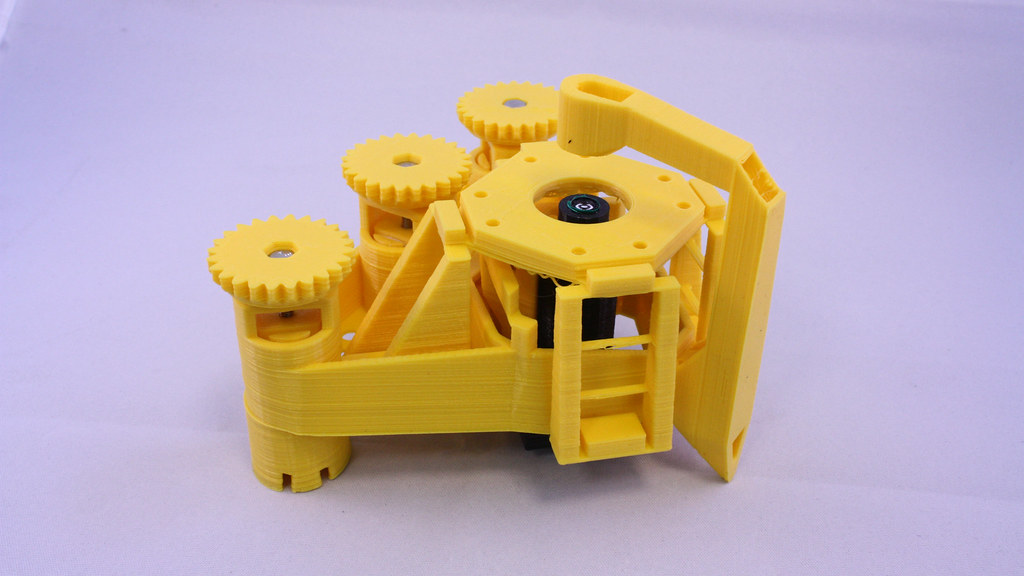
The three-year project, funded through the , is testing and refining a prototype general purpose optical microscope made from mass produced lenses, a Raspberry Pi mini-computer and a 3D-printed plastic frame. The prototype only costs 拢30 in parts and can reliably magnify up to 1.5 millionths of a metre.
Optical microscopes are in great demand in many parts of the developing world, but can be prohibitively expensive. These microscopes are often the main way used to identify parasites, such as the deadly malaria parasite, in blood and water samples.
The team鈥檚 prototype can be cheaply and quickly manufactured on location without large start-up costs.
Dr Bowman, a 50th Anniversary Research Fellow, said: 鈥淚 think we鈥檙e quite used to the idea of open source software, but not necessarily open source hardware. With consumer electronics being so cheap nowadays we can actually get a surprisingly long way and make a high-quality instrument for serious microscopy.
鈥淏y releasing the designs as free, open-source products we want to enable local entrepreneurs to produce the medical and scientific equipment that will improve healthcare, education, and research in some of the poorest areas in the world.鈥�
The team will also be testing the microscope鈥檚 potential for automation 鈥� programming the microscopes to do more work automatically would free up the time of medics and researchers to do other things until a later stage, and improve consistency.
Another potential advantage is that digitally storing the images of tested samples to keep a record would allow them to be revisited for second opinions, training or further scientific research, which presently isn鈥檛 possible after samples are destroyed.
The frame is 3D printed plastic. Credit Richard Bowman.
Dr Bowman initially came up with the idea while working as a Research Fellow at Queens鈥� College, Cambridge and developed the concept during a Research Fellowship from the Royal Commission before moving to Bath.
Dr Bowman is currently looking for a Research Associate to work on the project: /jobs/Vacancy.aspx?ref=SF5079